

Blog
Reminder: When Was the Last Time...?

Custom orthotics, or shoe inserts, should be periodically replaced. Orthotics must fit properly to give you the best results. Protect your feet and ankles!
What Is Ankle Arthrodesis?
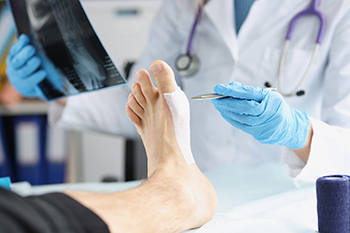
Ankle arthrodesis, or ankle fusion, is a surgical procedure that permanently joins the bones of the ankle joint to eliminate pain and improve stability. It is typically recommended for individuals with severe arthritis, post-traumatic damage, or deformities that make walking difficult. When cartilage wears away, bones rub against each other, causing chronic pain and inflammation. Fusion stops this movement, relieving pain but reducing ankle flexibility. Candidates for ankle arthrodesis often include those with end-stage arthritis, previous injuries, or failed ankle replacements. While traditional open surgery is an option, minimally invasive techniques using small incisions and screws have improved recovery times and reduced complications. Although mobility is somewhat limited after fusion, many patients experience significant pain relief and improved quality of life. If chronic ankle pain is interfering with your daily activities, it is suggested that you see a podiatrist who can determine if ankle arthrodesis is the right solution for you.
Foot surgery is sometimes necessary to treat a foot ailment. To learn more, contact Shaun J. Limon, DPM and Lisa Griffith-Limon, DPM of Limons Foot & Ankle Care. Our doctors will assist you with all of your foot and ankle needs.
When Is Surgery Necessary?
Foot and ankle surgery is generally reserved for cases in which less invasive, conservative procedures have failed to alleviate the problem. Some of the cases in which surgery may be necessary include:
- Removing foot deformities like bunions and bone spurs
- Severe arthritis that has caused bone issues
- Cosmetic reconstruction
What Types of Surgery Are There?
The type of surgery you receive will depend on the nature of the problem you have. Some of the possible surgeries include:
- Bunionectomy for painful bunions
- Surgical fusion for realignment of bones
- Neuropathy decompression surgery to treat nerve damage
Benefits of Surgery
Although surgery is usually a last resort, it can provide more complete pain relief compared to non-surgical methods and may allow you to finally resume full activity.
Surgical techniques have also become increasingly sophisticated. Techniques like endoscopic surgery allow for smaller incisions and faster recovery times.
If you have any questions please feel free to contact our office located in Lakewood Ranch, FL . We offer the newest diagnostic and treatment technologies for all your foot and ankle needs.
Off-Loading Practices for a Wounded Foot
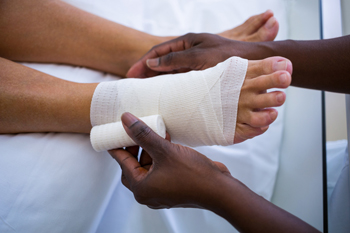
Off-loading is essential for promoting healing in a wounded foot, as it reduces pressure on the affected area and prevents further damage. By redistributing weight away from the wound, off-loading minimizes pain, enhances blood flow, and accelerates tissue repair. Common methods include wearing specialized footwear, such as surgical shoes, total contact casts, or orthotic inserts, which cushion and protect the foot while allowing limited mobility. For severe wounds, crutches, knee scooters, or wheelchairs may be recommended to completely off-load weight. Regularly elevating the foot also helps reduce swelling and improve circulation. It is vital to keep weight off the wound to avoid reopening or worsening the injury. Proper off-loading techniques depend on the type, location, and severity of the wound. To ensure effective care and recovery, it is suggested that you consult a podiatrist for a personalized treatment plan.
Wound care is an important part in dealing with diabetes. If you have diabetes and a foot wound or would like more information about wound care for diabetics, consult with Shaun J. Limon, DPM and Lisa Griffith-Limon, DPM from Limons Foot & Ankle Care. Our doctors will assess your condition and provide you with quality foot and ankle treatment.
What Is Wound Care?
Wound care is the practice of taking proper care of a wound. This can range from the smallest to the largest of wounds. While everyone can benefit from proper wound care, it is much more important for diabetics. Diabetics often suffer from poor blood circulation which causes wounds to heal much slower than they would in a non-diabetic.
What Is the Importance of Wound Care?
While it may not seem apparent with small ulcers on the foot, for diabetics, any size ulcer can become infected. Diabetics often also suffer from neuropathy, or nerve loss. This means they might not even feel when they have an ulcer on their foot. If the wound becomes severely infected, amputation may be necessary. Therefore, it is of the upmost importance to properly care for any and all foot wounds.
How to Care for Wounds
The best way to care for foot wounds is to prevent them. For diabetics, this means daily inspections of the feet for any signs of abnormalities or ulcers. It is also recommended to see a podiatrist several times a year for a foot inspection. If you do have an ulcer, run the wound under water to clear dirt from the wound; then apply antibiotic ointment to the wound and cover with a bandage. Bandages should be changed daily and keeping pressure off the wound is smart. It is advised to see a podiatrist, who can keep an eye on it.
If you have any questions, please feel free to contact our office located in Lakewood Ranch, FL . We offer the newest diagnostic and treatment technologies for all your foot care needs.
Why Live with Pain and Numbness in Your Feet?

Suffering from this type of pain? You may have the foot condition known as Morton's neuroma. Morton's neuroma may develop as a result of ill-fitting footwear and existing foot deformities. We can help.
Cuboid Syndrome Facts
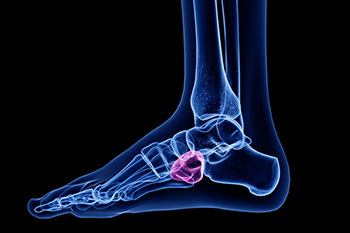
Cuboid syndrome is a condition that affects the cuboid bone, located on the outer side of the foot. This bone plays a key role in maintaining foot stability and mobility. The condition typically occurs when the cuboid bone becomes displaced or misaligned due to excessive stress or injury. The most common causes include ankle sprains, overuse, or repetitive movements that put strain on the foot. Symptoms of cuboid syndrome often include sharp pain on the outer side of the foot, difficulty bearing weight, swelling, and a feeling of instability while walking or running. In some cases, individuals may also experience tenderness when pressure is applied to the cuboid bone. To diagnose cuboid syndrome, a podiatrist will conduct a physical examination, focusing on foot movement of the affected area. X-rays or other imaging tests may be used to rule out fractures or other potential injuries. If you have pain on the outside of your foot, it is suggested that you contact a podiatrist who can accurately diagnose and treat cuboid syndrome.
Cuboid syndrome, also known as cuboid subluxation, occurs when the joints and ligaments near the cuboid bone in the foot become torn. If you have cuboid syndrome, consult with Shaun J. Limon, DPM and Lisa Griffith-Limon, DPM from Limons Foot & Ankle Care. Our doctors will assess your condition and provide you with quality foot and ankle treatment.
Cuboid syndrome is a common cause of lateral foot pain, which is pain on the outside of the foot. The condition may happen suddenly due to an ankle sprain, or it may develop slowly overtime from repetitive tension through the bone and surrounding structures.
Causes
The most common causes of cuboid syndrome include:
- Injury – The most common cause of this ailment is an ankle sprain.
- Repetitive Strain – Tension placed through the peroneus longus muscle from repetitive activities such as jumping and running may cause excessive traction on the bone causing it to sublux.
- Altered Foot Biomechanics – Most people suffering from cuboid subluxation have flat feet.
Symptoms
A common symptom of cuboid syndrome is pain along the outside of the foot which can be felt in the ankle and toes. This pain may create walking difficulties and may cause those with the condition to walk with a limp.
Diagnosis
Diagnosis of cuboid syndrome is often difficult, and it is often misdiagnosed. X-rays, MRIs and CT scans often fail to properly show the cuboid subluxation. Although there isn’t a specific test used to diagnose cuboid syndrome, your podiatrist will usually check if pain is felt while pressing firmly on the cuboid bone of your foot.
Treatment
Just as the range of causes varies widely, so do treatments. Some more common treatments are ice therapy, rest, exercise, taping, and orthotics.
If you have any questions, please feel free to contact our office located in Lakewood Ranch, FL . We offer the newest diagnostic and treatment technologies for all your foot care needs.
Broken Toe Care
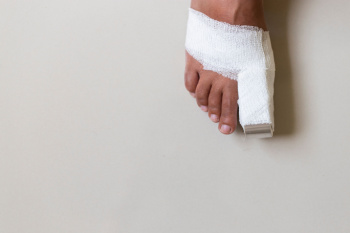
A fractured or broken toe typically results from trauma, such as stubbing the toe, dropping a heavy object on it, or sports injuries. Repetitive stress from activities like running can also cause small fractures over time. Common symptoms include swelling, bruising, redness, and difficulty walking. The toe may appear misaligned, and pain intensifies when trying to move or put weight on it. Treatment depends on the severity. For minor fractures, rest and elevation can help reduce swelling. Taping the injured toe to a neighboring one, known as buddy taping, provides support. However, severe fractures, such as those involving dislocation or improper alignment, may require immobilization, specialized footwear, or even surgery to ensure proper healing. If you suspect a fractured toe, it is suggested that you seek prompt evaluation by a podiatrist to prevent complications and ensure effective recovery.
Broken toes may cause a lot of pain and should be treated as soon as possible. If you have any concerns about your feet, contact Shaun J. Limon, DPM and Lisa Griffith-Limon, DPM from Limons Foot & Ankle Care. Our doctors will treat your foot and ankle needs.
What Is a Broken Toe?
A broken toe occurs when one or more of the toe bones of the foot are broken after an injury. Injuries such as stubbing your toe or dropping a heavy object on it may cause a toe fracture.
Symptoms of a Broken Toe
- Swelling
- Pain (with/without wearing shoes)
- Stiffness
- Nail Injury
Although the injured toe should be monitored daily, it is especially important to have a podiatrist look at your toe if you have severe symptoms. Some of these symptoms include worsening or new pain that is not relieved with medication, sores, redness, or open wounds near the toe.
If you have any questions, please feel free to contact our office located in Lakewood Ranch, FL . We offer the newest diagnostic and treatment technologies for all your foot care needs.
Plantar Warts Can Be Treated!

Plantar warts are small growths that develop on parts of the feet that bear weight. They're typically found on the bottom of the foot. Don't live with plantar warts, and call us today!
Risk Factors for Ankle Sprains and Strains
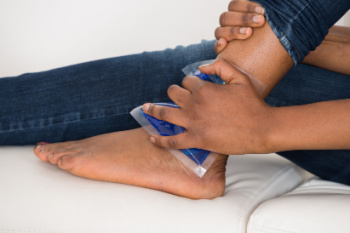
Ankle sprains and strains are distinct injuries, though they are often confused due to their similar symptoms. A sprain involves damage to the ligaments, which are bands of tissue that connect bones in the ankle joint. Sprains typically occur when the foot twists or rolls awkwardly, stretching or tearing the ligaments. Common signs include swelling, bruising, and difficulty bearing weight. In contrast, a strain affects the muscles or tendons, which are the tissues connecting muscles to bones. Strains often result from overstretching or overuse, causing muscle pain, cramping, and limited motion in the ankle. Both injuries can destabilize the ankle, increasing the risk of further chronic instability or changes in gait. A podiatrist can determine the type and severity of the injury, recommend proper footwear or orthotics to provide support, and advise on strengthening exercises to restore stability. If you have injured your ankle, it is suggested that you schedule an appointment with a podiatrist for an exam and appropriate treatment.
Ankle pain can be caused by a number of problems and may be potentially serious. If you have ankle pain, consult with Shaun J. Limon, DPM and Lisa Griffith-Limon, DPM from Limons Foot & Ankle Care. Our doctors will assess your condition and provide you with quality foot and ankle treatment.
Ankle pain is any condition that causes pain in the ankle. Due to the fact that the ankle consists of tendons, muscles, bones, and ligaments, ankle pain can come from a number of different conditions.
Causes
The most common causes of ankle pain include:
- Types of arthritis (rheumatoid, osteoarthritis, and gout)
- Ankle sprains
- Broken ankles
- Achilles tendonitis
- Achilles tendon rupture
- Stress fractures
- Bursitis
- Tarsal tunnel syndrome
- Plantar fasciitis
Symptoms
Symptoms of ankle injury vary based upon the condition. Pain may include general pain and discomfort, swelling, aching, redness, bruising, burning or stabbing sensations, and/or loss of sensation.
Diagnosis
Due to the wide variety of potential causes of ankle pain, podiatrists will utilize a number of different methods to properly diagnose ankle pain. This can include asking for personal and family medical histories and of any recent injuries. Further diagnosis may include sensation tests, a physical examination, and potentially x-rays or other imaging tests.
Treatment
Just as the range of causes varies widely, so do treatments. Some more common treatments are rest, ice packs, keeping pressure off the foot, orthotics and braces, medication for inflammation and pain, and surgery.
If you have any questions, please feel free to contact our office located in Lakewood Ranch, FL . We offer the newest diagnostic and treatment technologies for all your foot care needs.
How Aging Affects the Feet
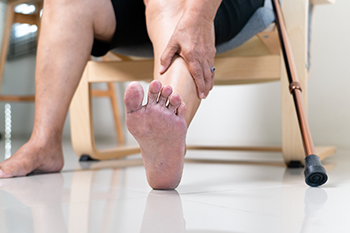
Aging brings significant changes to the feet, which can affect mobility and overall comfort. Over time, ligaments and tendons lose elasticity, causing the arches to flatten and the feet to lengthen. This often leads to an increase in shoe size and can make previously comfortable footwear unsuitable. Additionally, bunions, a bony bump on the side of the big toe, and hammertoe, where toes curl abnormally, are common issues related to aging feet. Arthritis, particularly osteoarthritis, can cause joint stiffness and pain, inhibiting daily activities. Conditions such as gout, which causes intense swelling and discomfort at the big toe joint, may also develop. Chronic conditions like diabetes often result in diabetic neuropathy, where reduced sensation in the feet increases the risk of unnoticed injuries and infections. A podiatrist can evaluate your foot changes and provide custom orthotics for added support. Additionally, this type of doctor can address bunions or hammertoes through corrective procedures, and manage arthritis or diabetic-related complications to prevent further damage. If you are a senior experiencing foot problems, it is suggested that you schedule an appointment with a podiatrist for an exam and treatment options.
Proper foot care is something many older adults forget to consider. If you have any concerns about your feet and ankles, contact Shaun J. Limon, DPM and Lisa Griffith-Limon, DPM from Limons Foot & Ankle Care. Our doctors can provide the care you need to keep you pain-free and on your feet.
The Elderly and Their Feet
As we age we start to notice many changes in our body, but the elder population may not notice them right away. Medical conditions may prevent the elderly to take notice of their foot health right away. Poor vision is a lead contributor to not taking action for the elderly.
Common Conditions
- Neuropathy – can reduce feeling in the feet and can hide many life-threatening medical conditions.
- Reduced flexibility – prevents the ability of proper toenail trimming, and foot cleaning. If left untreated, it may lead to further medical issues.
- Foot sores – amongst the older population can be serious before they are discovered. Some of the problematic conditions they may face are:
- Gouging toenails affecting nearby toe
- Shoes that don’t fit properly
- Pressure sores
- Loss of circulation in legs & feet
- Edema & swelling of feet and ankles
Susceptible Infections
Diabetes and poor circulation can cause general loss of sensitivity over the years, turning a simple cut into a serious issue.
If you have any questions please feel free to contact our office located in Lakewood Ranch, FL . We offer the newest diagnostic and treatment technologies for all your foot and ankle needs.
Arthritis Can Cause Pain in the Feet and Ankles

If you are suffering from tenderness, pain, or stiffness in the joints of your feet or ankles, call us to schedule an appointment.
More...
Common Causes of Ankle Injuries in Football

Football and soccer players are prone to various ankle injuries due to the fast-paced, high-impact nature of the sport. A common injury is a lateral ligament sprain, which occurs when the ligaments on the outside of the ankle stretch or tear, often from sudden twists or turns. Osteochondral lesions, which involve damage to the cartilage or bone in the ankle joint, can result from repeated trauma or heavy impacts. Ankle impingement occurs when soft tissues or bone structures in the joint become compressed, leading to pain and restricted movement. Similarly, soft tissue impingement happens when tendons or other tissues become pinched within the ankle, causing inflammation and discomfort. Proper conditioning, warm-up exercises, and wearing appropriate footwear can help prevent these injuries. If you play football or soccer and have sustained a foot or ankle injury, it is suggested that you confer with a podiatrist who can accurately diagnose and treat various foot conditions.
Ankle and foot injuries are common among athletes and in many sports. They can be caused by several problems and may be potentially serious. If you are feeling pain or think you were injured in a sporting event or when exercising, consult with Shaun J. Limon, DPM and Lisa Griffith-Limon, DPM from Limons Foot & Ankle Care. Our doctors will assess your condition and provide you with quality foot and ankle treatment.
Common Injuries
The most common injuries that occur in sporting activities include:
- Achilles Tendonitis
- Achilles Tendon Rupture
- Ankle Sprains
- Broken Foot
- Plantar Fasciitis
- Stress Fractures
- Turf Toe
Symptoms
Symptoms vary depending upon the injury and in some cases, there may be no symptoms at all. However, in most cases, some form of symptom is experienced. Pain, aching, burning, bruising, tenderness, tightness or stiffness, sensation loss, difficulty moving, and swelling are the most common symptoms.
Treatment
Just as symptoms vary depending upon the injury, so do treatment options. A common treatment method is known as the RICE method. This method involves rest, applying ice, compression and elevating the afflicted foot or ankle. If the injury appears to be more serious, surgery might be required, such as arthroscopic or reconstructive surgery. Lastly, rehabilitation or therapy might be needed to gain full functionality in the afflicted area. Any discomfort experienced by an athlete must be evaluated by a licensed, reputable medical professional.
If you have any questions, please feel free to contact our office located in Lakewood Ranch, FL . We offer the newest diagnostic and treatment technologies for all your foot care needs.
Managing a Damaged Toenail

A damaged toenail can result from trauma, fungal infections, or complications like ingrown nails. It is never a good idea to remove a damaged toenail at home, as this can increase the risk of infection or further injury. Symptoms of infection include redness, swelling, pain, and discharge. Without sterile tools and proper techniques, even minor damage to the surrounding skin can invite bacteria and delay healing. A podiatrist can safely assess the extent of the damage and determine the most effective treatment. In some cases, a partial or complete toenail removal may be necessary. This procedure is performed under local anesthesia in a sterile environment and usually takes only 15 to 20 minutes. Following toenail removal, tenderness, redness, and swelling are common. Keeping the foot elevated above heart level for the first 48 hours can help reduce pain and swelling. Toenails grow slowly, often taking six to 18 months to fully regrow. If you have damaged a toenail, it is suggested that you schedule an appointment with a podiatrist for an exam and treatment options.
Toe pain can disrupt your daily activities. If you have any concerns, contact Shaun J. Limon, DPM and Lisa Griffith-Limon, DPM of Limons Foot & Ankle Care. Our doctors can provide the care you need to keep you pain-free and on your feet.
What Causes Toe Pain?
Most severe toe pain is caused due to a sports injury, trauma from dropping something heavy on the toe, or bumping into something rigid. Other problems can develop over time for various reasons.
Toe pain can be caused by one or more ailments. The most common include:
- Trauma
- Sports injury
- Wearing shoes that are too tight
- Arthritis
- Gout
- Corns and calluses
- Hammertoe
- Bunions
- Blisters
- Ingrown toenails
- Sprains
- Fractures (broken bones)
- Dislocations
When to See a Podiatrist
- Severe pain
- Persistent pain that lasts more than a week
- Signs of infection
- Continued swelling
- Pain that prevents walking
Diagnosis
In many cases the cause of toe pain is obvious, but in others, a podiatrist may want to use more advanced methods to determine the problem. These can range from simple visual inspections and sensation tests to X-rays and MRI scans. Prior medical history, family medical history, and any recent physical traumatic events will all be taken into consideration for a proper diagnosis.
Treatment
Treatments for toe pain and injuries vary and may include shoe inserts, padding, taping, medicines, injections, and in some cases, surgery. If you believe that you have broken a toe, please see a podiatrist as soon as possible.
If you have any questions please feel free to contact our office located in Lakewood Ranch, FL . We offer the newest diagnostic tools and technology to treat your foot and ankle needs.
Gout Pain Can Be Managed

Gout is a painful, inflammatory form of arthritis. Those affected will typically feel an intense stiffness in the joints of their feet, particularly in the big toe. Schedule a visit to learn about how gout can be managed and treated.
Possible Reasons for Burning and Burning in the Achilles Tendon
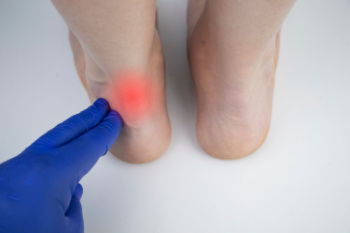
Pain and burning in the Achilles tendon are often signs of Achilles tendinitis, an inflammation of the tendon that connects the calf muscles to the heel bone. This condition commonly results from overuse, particularly in athletes who engage in repetitive activities like running, jumping, or sudden direction changes. Wearing poor footwear, improper stretching, or tight calf muscles can also contribute to the development of Achilles tendinitis. As the tendon becomes irritated, individuals may experience pain that worsens with activity or after long periods of rest. In some cases, the tendon may feel warm, swollen, or tender to the touch. Over time, without proper treatment, Achilles tendinitis can become chronic, leading to further damage and weakness in the tendon. If you have sustained an Achilles tendon injury, it is suggested that you promptly schedule an appointment with a podiatrist who can effectively treat this condition.
Achilles tendon injuries need immediate attention to avoid future complications. If you have any concerns, contact Shaun J. Limon, DPM and Lisa Griffith-Limon, DPM of Limons Foot & Ankle Care. Our doctors can provide the care you need to keep you pain-free and on your feet.
What Is the Achilles Tendon?
The Achilles tendon is a tendon that connects the lower leg muscles and calf to the heel of the foot. It is the strongest tendon in the human body and is essential for making movement possible. Because this tendon is such an integral part of the body, any injuries to it can create immense difficulties and should immediately be presented to a doctor.
What Are the Symptoms of an Achilles Tendon Injury?
There are various types of injuries that can affect the Achilles tendon. The two most common injuries are Achilles tendinitis and ruptures of the tendon.
Achilles Tendinitis Symptoms
- Inflammation
- Dull to severe pain
- Increased blood flow to the tendon
- Thickening of the tendon
Rupture Symptoms
- Extreme pain and swelling in the foot
- Total immobility
Treatment and Prevention
Achilles tendon injuries are diagnosed by a thorough physical evaluation, which can include an MRI. Treatment involves rest, physical therapy, and in some cases, surgery. However, various preventative measures can be taken to avoid these injuries, such as:
- Thorough stretching of the tendon before and after exercise
- Strengthening exercises like calf raises, squats, leg curls, leg extensions, leg raises, lunges, and leg presses
If you have any questions please feel free to contact our office located in Lakewood Ranch, FL . We offer the newest diagnostic tools and technology to treat your foot and ankle needs.
