

Blog
Choosing a Good Walking Shoe

Not all walking shoes are alike, and selecting the right pair is essential for maintaining healthy feet, toes, and ankles. A good walking shoe should offer proper arch support, cushioning, and stability to reduce the risk of conditions like plantar fasciitis or Achilles tendinitis. People with flat feet often require shoes with enhanced arch support, while those with heel pain may benefit from extra cushioning to minimize strain on the feet and ankles. Poorly fitted shoes can contribute to problems like blisters, bunions, or ingrown toenails, making it important to prioritize both comfort and durability. High-quality materials and a secure fit ensure that your walking shoes maintain their structure and support during regular use. A podiatrist can provide a professional assessment of your foot structure and gait, guiding you in selecting footwear that will reduce discomfort and support healthy movement. If you have foot pain after walking, it is suggested that you schedule an appointment with a podiatrist for an exam and help in selecting the right shoes.
It is important to find shoes that fit you properly in order to avoid a variety of different foot problems. For more information about treatment, contact Shaun J. Limon, DPM and Lisa Griffith-Limon, DPM from Limons Foot & Ankle Care. Our doctors will treat your foot and ankle needs.
Proper Shoe Fitting
Shoes have many different functions. They cushion our body weight, protect our feet, and allow us to safely play sports. You should always make sure that the shoes you wear fit you properly in order to avoid injuries and deformities such as: bunions, corns, calluses, hammertoes, plantar fasciitis, stress fractures, and more. It is important to note that although a certain pair of shoes might be a great fit for someone else, that doesn’t mean they will be a great fit for you. This is why you should always try on shoes before buying them to make sure they are worth the investment. Typically, shoes need to be replaced ever six months to one year of regular use.
Tips for Proper Shoe Fitting
- Select a shoe that is shaped like your foot
- Don’t buy shoes that fit too tight, expecting them to stretch to fit
- Make sure there is enough space (3/8” to ½”) for your longest toe at the end of each shoe when you are standing up
- Walk in the shoes to make sure they fit and feel right
- Don’t select shoes by the size marked inside the shoe, but by how the shoe fits your foot
The shoes you buy should always feel as good as they look. Shoes that fit properly will last longer, feel better, and improve your way of life each day.
If you have any questions, please feel free to contact our office located in Lakewood Ranch, FL . We offer the newest diagnostic and treatment technologies for all your foot care needs.
Are Bunions Affecting Your Everyday Life?
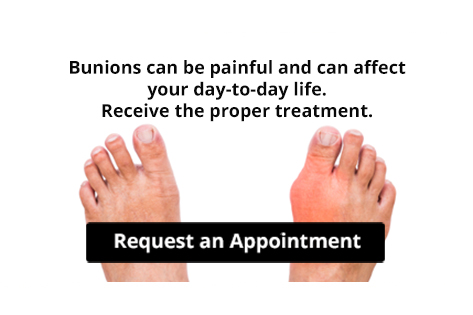
Have you noticed a bony protrusion on the side of your big toe? If so, you may have developed the foot condition known as a bunion. Don't let bunions interfere with your daily activities.
2 Common Causes of Heel Pain
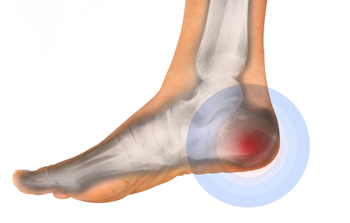
Heel pain often stems from two conditions, which are heel spurs and plantar fasciitis. A heel spur is a bony growth that forms on the underside of the heel bone, often as a result of long-term pressure or inflammation. This growth can cause sharp pain, especially during walking or standing. Plantar fasciitis is an inflammation of the thick band of tissue that runs along the bottom of the foot, connecting the heel to the toes. It typically causes pain in the heel and arch, particularly in the morning or after long periods of rest. While both conditions can cause heel pain, they differ in their underlying causes and treatment approaches. Proper diagnosis and targeted treatment can help manage pain and improve mobility for people suffering from either condition. If you are experiencing heel pain, it is strongly suggested that you are under the care of a podiatrist who can determine what the cause is, and treat it accordingly.
Many people suffer from bouts of heel pain. For more information, contact Shaun J. Limon, DPM and Lisa Griffith-Limon, DPM of Limons Foot & Ankle Care. Our doctors can provide the care you need to keep you pain-free and on your feet.
Causes of Heel Pain
Heel pain is often associated with plantar fasciitis. The plantar fascia is a band of tissues that extends along the bottom of the foot. A rip or tear in this ligament can cause inflammation of the tissue.
Achilles tendonitis is another cause of heel pain. Inflammation of the Achilles tendon will cause pain from fractures and muscle tearing. Lack of flexibility is also another symptom.
Heel spurs are another cause of pain. When the tissues of the plantar fascia undergo a great deal of stress, it can lead to ligament separation from the heel bone, causing heel spurs.
Why Might Heel Pain Occur?
- Wearing ill-fitting shoes
- Wearing non-supportive shoes
- Weight change
- Excessive running
Treatments
Heel pain should be treated as soon as possible for immediate results. Keeping your feet in a stress-free environment will help. If you suffer from Achilles tendonitis or plantar fasciitis, applying ice will reduce the swelling. Stretching before an exercise like running will help the muscles. Using all these tips will help make heel pain a condition of the past.
If you have any questions please contact our office located in Lakewood Ranch, FL . We offer the newest diagnostic and treatment technologies for all your foot and ankle needs.
Causes and Prevention of Bleeding Cracked Heels
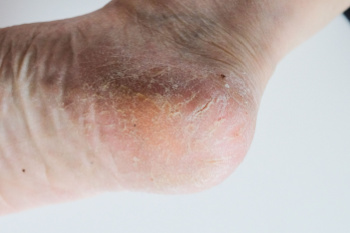
Bleeding cracked heels are a painful condition often caused by excessive dryness and pressure on the skin of the feet. When the skin on the heels becomes dry, it can lose its elasticity and begin to crack. If these cracks deepen, they may bleed. One common cause is prolonged standing or walking, especially on hard surfaces, which puts additional pressure on the heels. Other contributing factors include footwear that does not provide adequate support, obesity, or conditions like diabetes and eczema that affect skin health. Additionally, exposure to harsh environmental conditions, such as cold weather or hot water, can increase dryness. To prevent bleeding cracked heels, it is important to regularly moisturize the feet, wear supportive shoes, and avoid standing for long periods. Cracked heels can be painful, and it may be difficult to complete daily activities. If you have developed this condition, it is suggested that you promptly schedule an appointment with a podiatrist who can effectively treat cracked heels.
If the skin on your feet starts to crack, you may want to see a podiatrist to find treatment. If you have any concerns, contact Shaun J. Limon, DPM and Lisa Griffith-Limon, DPM from Limons Foot & Ankle Care. Our doctors can provide the care you need to keep you pain-free and on your feet.
Cracked Heels
It is important to moisturize your cracked heels in order to prevent pain, bleeding, and infection. The reason cracked heels form is because the skin on the foot is too dry to support the immense pressure placed on them. When the foot expands, the dry skin on the foot begins to split.
Ways to Help Heal Them
- Invest in a good foot cream
- Try Using Petroleum Jelly
- Ease up on Soaps
- Drink Plenty of Water
Ways to Prevent Cracked Heels
- Moisturize After Showering
- Skip a Shower
- Keep Shower Water Lukewarm
- Don’t Scrub Your Feet
If you are unsure how to proceed in treating cracked heels, seek guidance from a podiatrist. Your doctor will help you with any questions or information you may need.
If you have any questions, please feel free to contact our office located in Lakewood Ranch, FL . We offer the newest diagnostic and treatment technologies for all your foot care needs.
Are You Suffering From Ingrown Toenails?

If left untreated, an ingrown toenail can lead to more serious concerns, such as an infection. Knowing proper nail care can help in the prevention of an ingrown toenail. Give us a call, and get treated!
Long-Term Effects of Flat Feet in Children
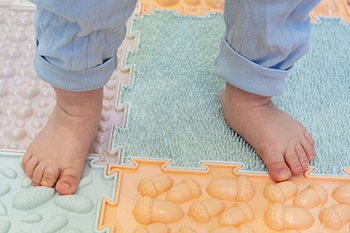
Flat feet in children, also known as pediatric flatfoot, can sometimes lead to long-term effects if left untreated, although many cases are asymptomatic and do not cause issues. Flat feet occur when the arches do not develop fully, causing the entire foot to touch the ground. While some children outgrow the condition, persistent flat feet can lead to foot pain, ankle instability, and altered walking patterns over time, potentially affecting posture and balance. In severe cases, untreated flat feet may strain muscles and joints, increasing the risk of knee, hip, or back pain as children grow. Treatment options include wearing supportive footwear, custom orthotics, and exercises to strengthen foot and ankle muscles. If your child has flat feet, it is suggested that you visit a podiatrist for help in determining if an intervention is needed, to help prevent discomfort and mobility issues that might arise in the future.
Flatfoot is a condition many people suffer from. If you have flat feet, contact Shaun J. Limon, DPM and Lisa Griffith-Limon, DPM from Limons Foot & Ankle Care. Our doctors will treat your foot and ankle needs.
What Are Flat Feet?
Flatfoot is a condition in which the arch of the foot is depressed and the sole of the foot is almost completely in contact with the ground. About 20-30% of the population generally has flat feet because their arches never formed during growth.
Conditions & Problems:
Having flat feet makes it difficult to run or walk because of the stress placed on the ankles.
Alignment – The general alignment of your legs can be disrupted, because the ankles move inward which can cause major discomfort.
Knees – If you have complications with your knees, flat feet can be a contributor to arthritis in that area.
Symptoms
- Pain around the heel or arch area
- Trouble standing on the tip toe
- Swelling around the inside of the ankle
- Flat look to one or both feet
- Having your shoes feel uneven when worn
Treatment
If you are experiencing pain and stress on the foot you may weaken the posterior tibial tendon, which runs around the inside of the ankle.
If you have any questions please feel free to contact our office located in Lakewood Ranch, FL . We offer the newest diagnostic and treatment technologies for all your foot and ankle needs.
Causes and Relief Options for Toenail Fungus
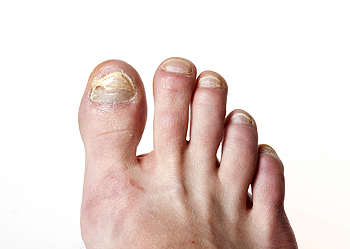
Toenail fungus, medically known as onychomycosis, is a common infection that affects the nail bed, often starting as a white or yellow spot under the nail. Over time, it can cause nails to thicken, discolor, crumble, or become misshapen, leading to discomfort, and, in some cases, pain. Toenail fungus thrives in warm, moist environments, making athletes, individuals who sweat heavily, and those who wear tight or non-breathable shoes more susceptible. Poor foot hygiene and minor nail injuries also increase risk. Treating toenail fungus can be challenging, as the infection tends to be persistent. For more stubborn infections, it is suggested that you schedule an appointment with a podiatrist who may prescribe oral antifungal medications or laser therapy to target the fungus.
For more information about treatment, contact Shaun J. Limon, DPM and Lisa Griffith-Limon, DPM of Limons Foot & Ankle Care. Our doctors can provide the care you need to keep you pain-free and on your feet.
Toenail Fungus Treatment
Toenail fungus is a condition that affects many people and can be especially hard to get rid of. Fortunately, there are several methods to go about treating and avoiding it.
Antifungals & Deterrence
Oral antifungal medicine has been shown to be effective in many cases. It is important to consult with a podiatrist to determine the proper regiment for you, or potentially explore other options.
Applying foot powder on the feet and shoes helps keep the feet free of moisture and sweat.
Sandals or open toed shoes – Wearing these will allow air movement and help keep feet dry. They also expose your feet to light, which fungus cannot tolerate. Socks with moisture wicking material also help as well.
If you have any questions please feel free to contact our office located in Lakewood Ranch, FL . We offer the newest diagnostic tools and technology to treat your foot and ankle needs.
Do Your Child's Feet Hurt?

Have your child's feet been examined lately? Healthy feet are happy feet. If your child is complaining of foot pain, it may be a sign of underlying problems.
Managing Morton’s Neuroma
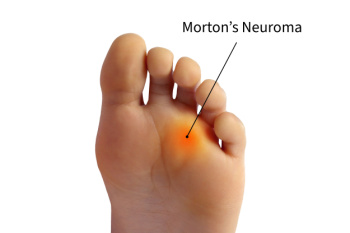
Morton's neuroma is a painful condition affecting the nerve between the toes, typically between the third and fourth toes. It often arises from repetitive pressure or irritation and is frequently linked to wearing tight shoes or high heels. The condition can also be worsened by foot deformities like flat feet or bunions. Symptoms usually include sharp, burning pain in the ball of the foot, a sensation of a pebble in the shoe, and numbness or tingling in the toes. These symptoms may increase with activity or prolonged standing. A podiatrist can diagnose Morton's neuroma through a physical examination and imaging tests. Initial treatments often include changing footwear, orthotic inserts, and corticosteroid injections. If conservative measures fail, excision surgery may be recommended to remove the neuroma. Most patients experience significant long-term pain relief and improved function after surgery. If you are suffering from foot pain that may indicate Morton's neuroma, it is suggested that you schedule an appointment with a podiatrist for expert evaluation and care.
Morton’s neuroma is a very uncomfortable condition to live with. If you think you have Morton’s neuroma, contact Shaun J. Limon, DPM and Lisa Griffith-Limon, DPM of Limons Foot & Ankle Care. Our doctors will attend to all of your foot care needs and answer any of your related questions.
Morton’s Neuroma
Morton's neuroma is a painful foot condition that commonly affects the areas between the second and third or third and fourth toe, although other areas of the foot are also susceptible. Morton’s neuroma is caused by an inflamed nerve in the foot that is being squeezed and aggravated by surrounding bones.
What Increases the Chances of Having Morton’s Neuroma?
- Ill-fitting high heels or shoes that add pressure to the toe or foot
- Jogging, running or any sport that involves constant impact to the foot
- Flat feet, bunions, and any other foot deformities
Morton’s neuroma is a very treatable condition. Orthotics and shoe inserts can often be used to alleviate the pain on the forefront of the feet. In more severe cases, corticosteroids can also be prescribed. In order to figure out the best treatment for your neuroma, it’s recommended to seek the care of a podiatrist who can diagnose your condition and provide different treatment options.
If you have any questions, please feel free to contact our office located in Lakewood Ranch, FL . We offer the newest diagnostic and treatment technologies for all your foot care needs.
Juvenile Idiopathic Arthritis and Its Impact on Feet

Juvenile idiopathic arthritis, or JIA, is a chronic condition in children that causes joint inflammation, often affecting the feet and ankles. Foot involvement in JIA can lead to pain, swelling, stiffness, and difficulty walking. Over time, this inflammation may cause joint deformities or growth issues in the bones and soft tissues of the foot, affecting a child's mobility and quality of life. A podiatrist plays a key role in managing foot impairments in children with JIA. They can provide custom orthotics to support the foot, reduce pressure on affected joints, and improve walking comfort. Additionally, they may recommend exercises to maintain range of motion and suggest modifications to footwear to accommodate swelling or deformities. If you have a child with JIA, it is strongly suggested that you visit a podiatrist regularly to ensure foot issues are addressed early and long-term complications are prevented.
Arthritis can be a difficult condition to live with. If you are seeking treatment, contact Shaun J. Limon, DPM and Lisa Griffith-Limon, DPM from Limons Foot & Ankle Care. Our doctors can provide the care you need to keep you pain-free and on your feet.
Arthritic Foot Care
Arthritis is a joint disorder that involves the inflammation of different joints in your body, such as those in your feet. Arthritis is often caused by a degenerative joint disease and causes mild to severe pain in all affected areas. In addition to this, swelling and stiffness in the affected joints can also be a common symptom of arthritis.
In many cases, wearing ill-fitting shoes can worsen the effects and pain of arthritis. Wearing shoes that have a lower heel and extra room can help your feet feel more comfortable. In cases of rheumatoid arthritis, the arch in your foot may become problematic. Buying shoes with proper arch support that contour to your feet can help immensely.
Alleviating Arthritic Pain
- Exercises that stretch the foot can prevent further pain and injury and increase mobility
- Most of the pain can be alleviated with anti-inflammatory drugs, heat, and topical medications
- Massages can help temporarily alleviate pain.
It is best to see your doctor for the treatment that is right for your needs and symptoms. Conditions vary, and a podiatrist can help you determine the right method of care for your feet.
If you have any questions, please feel free to contact our office located in Lakewood Ranch, FL . We offer the newest diagnostic tools and technology to treat your foot and ankle needs.
More...
Wounds That Don't Heal Need to Be Checked

Your feet are covered most of the day. If you're diabetic, periodic screening is important for good health. Numbness is often a sign of diabetic foot and can mask a sore or wound.
Symptoms of Athlete’s Foot
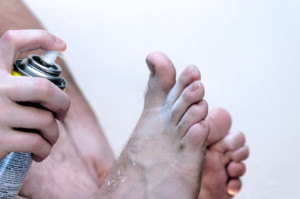
Athlete's foot, or tinea pedis, is a common fungal infection that primarily affects the skin between the toes. It thrives in warm, moist environments, making sweaty feet and tight shoes perfect breeding grounds. Symptoms often include itching, burning, peeling skin, and sometimes blisters or sores. If left untreated, the infection can spread to the toenails or other parts of the body. While antifungal creams and powders might help mild cases, severe or persistent symptoms may require medical intervention. If you experience intense pain, swelling, or signs of a secondary bacterial infection, such as redness or discharge, it is important to see a podiatrist. This type of doctor may prescribe stronger antifungal medications or investigate underlying conditions that could be contributing to the problem. If symptoms persist, it is suggested you schedule an appointment with a podiatrist for expert care and tailored treatment options.
Athlete’s Foot
Athlete’s foot is often an uncomfortable condition to experience. Thankfully, podiatrists specialize in treating athlete’s foot and offer the best treatment options. If you have any questions about athlete’s foot, consult with Shaun J. Limon, DPM and Lisa Griffith-Limon, DPM from Limons Foot & Ankle Care. Our doctors will assess your condition and provide you with quality treatment.
What Is Athlete’s Foot?
Tinea pedis, more commonly known as athlete’s foot, is a non-serious and common fungal infection of the foot. Athlete’s foot is contagious and can be contracted by touching someone who has it or infected surfaces. The most common places contaminated by it are public showers, locker rooms, and swimming pools. Once contracted, it grows on feet that are left inside moist, dark, and warm shoes and socks.
Prevention
The most effective ways to prevent athlete’s foot include:
- Thoroughly washing and drying feet
- Avoid going barefoot in locker rooms and public showers
- Using shower shoes in public showers
- Wearing socks that allow the feet to breathe
- Changing socks and shoes frequently if you sweat a lot
Symptoms
Athlete’s foot initially occurs as a rash between the toes. However, if left undiagnosed, it can spread to the sides and bottom of the feet, toenails, and if touched by hand, the hands themselves. Symptoms include:
- Redness
- Burning
- Itching
- Scaly and peeling skin
Diagnosis and Treatment
Diagnosis is quick and easy. Skin samples will be taken and either viewed under a microscope or sent to a lab for testing. Sometimes, a podiatrist can diagnose it based on simply looking at it. Once confirmed, treatment options include oral and topical antifungal medications.
If you have any questions, please feel free to contact our office located in Lakewood Ranch, FL . We offer the newest diagnostic and treatment technologies for all your foot care needs.
Understanding Acute Ankle Sprains

An acute ankle sprain occurs when the ligaments that support the ankle are stretched or torn, often due to a sudden twist, turn, or impact. This injury is common among athletes, but can happen to anyone during everyday activities. Symptoms typically include immediate pain, swelling, bruising, and difficulty bearing weight on the affected foot. The impact of an ankle sprain can vary in severity, from mild stretching to complete tears, and recovery times can differ significantly. If left untreated, an ankle sprain can lead to chronic instability and recurring injuries, affecting overall mobility. To ensure proper healing and to regain strength, it is key to seek professional advice. If you suspect an acute ankle sprain, it is suggested you schedule an appointment with a podiatrist. They can provide a thorough evaluation, recommend an effective treatment plan, and guide you on rehabilitation to get you back on your feet safely.
Ankle sprains are common but need immediate attention. If you need your feet checked, contact Shaun J. Limon, DPM and Lisa Griffith-Limon, DPM from Limons Foot & Ankle Care. Our doctors can provide the care you need to keep you pain-free and on your feet.
How Does an Ankle Sprain Occur?
Ankle sprains take place when the ligaments in your ankle are torn or stretched beyond their limits. There are multiple ways that the ankle can become injured, including twisting or rolling over onto your ankle, putting undue stress on it, or causing trauma to the ankle itself.
What Are the Symptoms?
- Mild to moderate bruising
- Limited mobility
- Swelling
- Discoloration of the skin (depending on severity)
Preventing a Sprain
- Wearing appropriate shoes for the occasion
- Stretching before exercises and sports
- Knowing your limits
Treatment of a Sprain
Treatment of a sprain depends on the severity. Many times, people are told to rest and remain off their feet completely, while others are given an air cast. If the sprain is very severe, surgery may be required.
If you have suffered an ankle sprain previously, you may want to consider additional support such as a brace and regular exercises to strengthen the ankle.
If you have any questions please feel free to contact our office located in Lakewood Ranch, FL . We offer the newest diagnostic and treatment technologies for all your foot and ankle needs.
Managing Foot Arch Pain
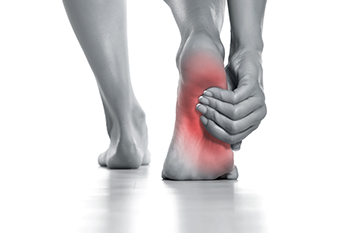
Foot arch pain can affect daily activities and reduce the overall quality of life. Symptoms typically include sharp or aching discomfort along the arch of the foot, especially after prolonged standing, walking, or engaging in physical activity. You might also experience swelling or tenderness, which can make finding comfortable footwear a challenge. Treatment options for foot arch pain often begin with stretching exercises for the calf muscles and plantar fascia which can improve flexibility and alleviate pain. Supportive footwear, along with custom orthotics, can provide arch support and cushioning. In more severe cases, a podiatrist may recommend specific treatments tailored to your condition. If you are experiencing persistent foot arch pain, it is important to schedule an appointment with a podiatrist. This type of doctor can evaluate your symptoms and recommend an effective treatment plan to help you get back on your feet comfortably.
Foot Pain
Foot pain can be extremely painful and debilitating. If you have a foot pain, consult with Shaun J. Limon, DPM and Lisa Griffith-Limon, DPM from Limons Foot & Ankle Care. Our doctors will assess your condition and provide you with quality foot and ankle treatment.
Causes
Foot pain is a very broad condition that could be caused by one or more ailments. The most common include:
- Bunions
- Hammertoes
- Plantar Fasciitis
- Bone Spurs
- Corns
- Tarsal Tunnel Syndrome
- Ingrown Toenails
- Arthritis (such as Gout, Rheumatoid, and Osteoarthritis)
- Flat Feet
- Injury (from stress fractures, broken toe, foot, ankle, Achilles tendon ruptures, and sprains)
- And more
Diagnosis
To figure out the cause of foot pain, podiatrists utilize several different methods. This can range from simple visual inspections and sensation tests to X-rays and MRI scans. Prior medical history, family medical history, and any recent physical traumatic events will all be taken into consideration for a proper diagnosis.
Treatment
Treatment depends upon the cause of the foot pain. Whether it is resting, staying off the foot, or having surgery; podiatrists have a number of treatment options available for foot pain.
If you have any questions, please feel free to contact our office located in Lakewood Ranch, FL . We offer the newest diagnostic and treatment technologies for all your foot care needs.
